Japanese Keratin Lash Lifts Explained: Health vs Damage
Japanese Keratin Lash Lifts Explained: Health vs Damage
Japanese keratin lash lifting uses cysteamine-based chemistry that operates at neutral to mildly alkaline pH levels between 6.5 and 8.0. This differs fundamentally from Western ammonia-based perming solutions that spike pH above 9.0 to force rapid disulfide bond breaking. The pH difference determines whether your natural lashes maintain their structural integrity or accumulate progressive damage with each service cycle.
Traditional lash lifts treat the procedure as a speed-optimized cosmetic service where dramatic curl achieved in 20 to 30 minutes takes priority over long-term lash health. Japanese keratin protocols treat lash lifting as a biological restructuring process requiring 45 to 60 minutes of controlled pH exposure. The extended timeline allows cysteamine's thiol groups to break and reform keratin bonds gradually without forcing cuticle layer expansion that causes moisture loss and protein degradation.
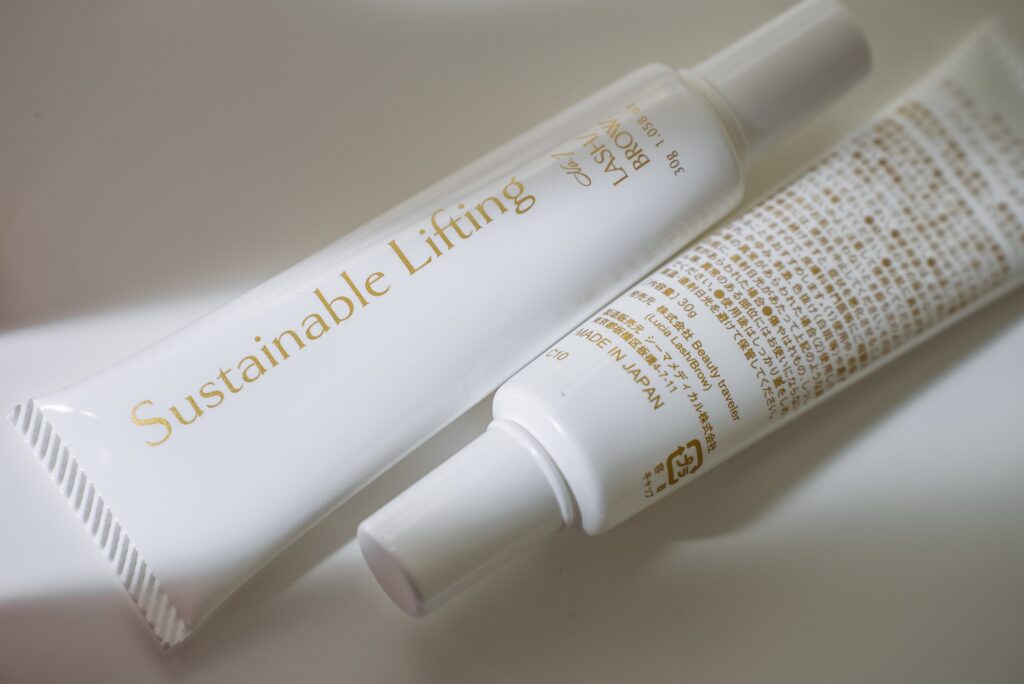
The keratin distinction in the name refers to keratin-infused treatment formulas applied during and after the lifting process. Japanese protocols mandate multi-step keratin conditioning that rebuilds protein bonds compromised during restructuring. Western lifts typically skip or minimize this restoration phase, leaving lashes in a weakened state that becomes apparent only after repeated service cycles.
How Does pH Level Affect Lash Cuticle Health During Chemical Lifting?
The lash hair shaft consists of overlapping cuticle scales protecting an inner cortex where keratin proteins bond through disulfide bridges. These cuticles remain flat and sealed at pH levels between 4.5 and 7.5, maintaining moisture retention and structural integrity. When pH rises above 8.5, cuticle scales begin lifting and separating from the hair shaft. At pH 9.0 and higher, cuticles swell dramatically, creating porous texture that allows protein and moisture to escape.
Ammonia-based lash lift solutions operate at pH 9.5 to 11.0 because high alkalinity accelerates disulfide bond breaking through hydroxide ion activity. This aggressive approach achieves visible curl in minimal time but forces cuticles into traumatic swelling. The cuticle damage may not be immediately visible but manifests over weeks as lashes lose flexibility, develop brittle texture, and break more easily during normal activities like makeup removal or sleeping.
Japanese cysteamine formulas maintain pH between 6.5 and 8.0 by using buffering agents that control alkalinity while allowing the reducing agent to work. Cysteamine's molecular structure includes a thiol group that attacks disulfide bonds directly without requiring extreme pH elevation. This allows bond reformation at ranges close to the hair's natural pH, minimizing cuticle disruption. The result is curl achieved through controlled restructuring rather than forced trauma.
The pH Safety Rule: Testing Your Lash Lift Solution
Professional lash technicians should verify solution pH before every application using calibrated pH test strips. The test takes 10 seconds and prevents using degraded or contaminated solutions that could harm client lashes. Here is the decision framework:
pH 6.5 to 7.5 (Neutral Range): Safe for all lash types including damaged, thin, or previously lifted lashes. Processing time will be longer, typically 50 to 60 minutes, but cuticle preservation is maximized.
pH 7.6 to 8.5 (Mildly Alkaline): Acceptable for healthy, virgin lashes with normal thickness. Processing time 40 to 50 minutes. Technicians must monitor closely for any signs of over-processing.
pH 8.6 to 9.5 (Moderately Alkaline): Higher risk range. Only appropriate for extremely coarse, resistant lashes that have never been chemically treated. Processing must not exceed 30 minutes regardless of curl development.
pH 9.6 and Above (High Alkaline): Unacceptable for professional use. This pH range causes irreversible cuticle damage even with minimal exposure. Refuse service if your salon's solutions test in this range.
Clients should ask their technician what pH range their lifting solution operates in. If the technician cannot answer or claims pH does not matter, this indicates inadequate training in lash chemistry and should raise serious concerns about service safety.
What Is The Cuticle Fray Test and Why Does It Matter?
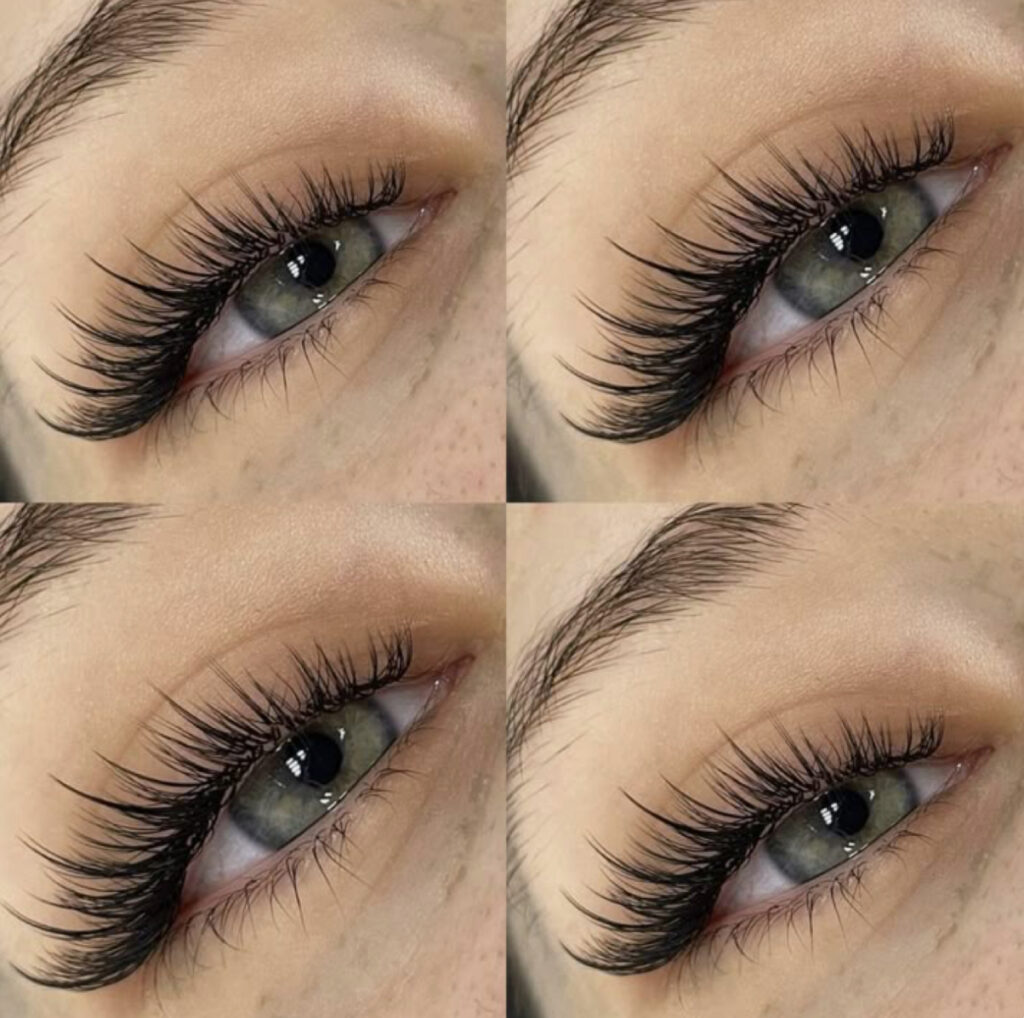
The cuticle fray test assesses existing lash damage before determining whether chemical lifting is safe. Technicians examine lash tips under 5x to 10x magnification looking for split ends, rough texture, or visible cuticle separation. This test reveals cumulative damage from previous services, environmental stress, or harsh makeup removal that may not be apparent to the naked eye.
How to perform the test: Isolate 5 to 10 individual lashes from different areas of the lash line. Use a lighted magnifier to inspect the last 2 to 3 millimeters of each lash tip. Healthy lashes appear smooth with intact, overlapping cuticle scales. Damaged lashes show fraying, splitting, or a rough, porous appearance where cuticle scales have lifted or broken away.
Fray Test Decision Rules:
If 0 to 2 lashes out of 10 show minor fraying: Proceed with standard lifting protocol. Add extended keratin conditioning during neutralization phase.
If 3 to 5 lashes show moderate fraying: Reduce processing time by 25% and use pH 7.0 or lower solutions. Recommend keratin recovery treatments for 4 weeks before next lift.
If 6 or more lashes show severe fraying or splitting: Postpone chemical lifting for 8 to 12 weeks. Prescribe intensive keratin conditioning protocol. Consider mechanical curl alternatives like heated lash curlers.
The fray test protects both client lash health and technician reputation. Lifting already damaged lashes accelerates deterioration, causing breakage and loss that clients will attribute to the service even when pre-existing damage was the primary cause. Japanese precision protocols refuse service to clients whose lashes fail the fray test, prioritizing long-term health over immediate revenue.
How Does Japanese Lash Mapping Prevent Uneven Curl Damage?
Japanese lash mapping is a pre-service assessment that evaluates natural lash distribution, growth angles, and density variations across the lash line. This data determines rod size selection, placement positioning, and processing time adjustments for different eye zones. Western lash lifts typically apply uniform rod sizes and processing times, ignoring individual lash variables that affect how chemistry works.
The mapping process divides the lash line into five zones: inner corner, inner-middle transition, center, outer-middle transition, and outer corner. Technicians count lashes per millimeter in each zone, measure natural growth angles using angle guides, and assess length variation. This creates a customized blueprint showing which areas have sufficient lash density to support dramatic curl and which areas need conservative processing to prevent over-stressing sparse lashes.
Mapping-Based Rod Selection Rules:
Dense lash zones with 8+ lashes per millimeter: Can support smaller diameter rods (S or M size) that create tighter curl without excessive tension on individual lashes.
Medium density zones with 5 to 7 lashes per millimeter: Require medium diameter rods (M or L size) that distribute curl across available lashes without overloading follicles.
Sparse zones with fewer than 5 lashes per millimeter: Must use large diameter rods (L or XL size) that create gentle lift rather than dramatic curl. Attempting tight curl in sparse areas concentrates stress on too few lashes, causing breakage.
Downward-growing lashes common in outer corners: Need rod placement adjusted 10 to 15 degrees upward from standard horizontal positioning to compensate for natural angle.
Uneven curl damage occurs when technicians ignore these variables and apply identical rods across all zones. Sparse areas become over-stressed while dense areas receive insufficient curl. The mechanical stress pattern causes selective lash loss in weak zones, creating patchy appearance that worsens with repeated services. Japanese mapping prevents this by customizing every aspect of the service to match actual lash biology rather than imposing standardized approaches.
What Is The Pull Test Rule For Determining Lash Lift Candidacy?
The pull test evaluates follicle anchor strength by applying controlled tension to individual lashes. This simple assessment reveals whether lashes can withstand the mechanical stress of chemical restructuring without premature shedding. Weak follicles indicate systemic issues like nutritional deficiency, medical conditions, or damage from previous aggressive services that must be addressed before proceeding with lifts.
How to perform the pull test: Isolate a single lash from the mid-lash line area. Grasp it gently between thumb and forefinger approximately 2 millimeters from the base. Apply steady, gentle tension for 2 to 3 seconds. The lash should resist firmly. Repeat with 5 to 6 lashes from different zones.
Pull Test Decision Framework:
All tested lashes resist firmly with no movement: Healthy follicle strength. Safe to proceed with standard lifting protocol.
1 to 2 lashes release with gentle tension: Moderate weakness. Proceed with reduced processing time (reduce by 20%) and lighter-strength solutions. Schedule follow-up assessment in 6 weeks.
3 or more lashes release easily: Significant follicle weakness. Postpone chemical services for 8 to 12 weeks. Recommend medical evaluation to rule out underlying conditions. Prescribe follicle-strengthening serum protocol.
Any lashes that release without resistance: Severe follicle compromise. Refuse chemical services until medical clearance obtained. Potential indicators of alopecia, thyroid issues, or medication side effects requiring physician assessment.
The pull test is non-negotiable in Japanese precision protocols. Technicians who skip this assessment risk causing accelerated lash loss that appears service-related but actually results from pre-existing weakness. Refusing service to clients with weak follicles protects their long-term lash health even when the decision costs immediate revenue.
Why Does Keratin Conditioning Matter More In Lifting Than Extensions?
Chemical lash lifting temporarily disrupts the protein bonds that give lashes structural integrity. During the restructuring process, disulfide bridges break completely before reforming in new configurations that create curl. This moment of complete bond separation leaves lashes vulnerable to permanent damage if proper reconditioning does not occur. Keratin conditioning treatment applied during neutralization provides the amino acid building blocks needed to rebuild strong, flexible bonds rather than weak, brittle connections.
Extensions avoid this vulnerability because they attach to lashes without chemically altering internal structure. The stress in extensions is purely mechanical from added weight, whereas lifting creates both mechanical stress from rod tension and chemical stress from bond breaking. The compound stress requires active intervention through keratin infusion to prevent cumulative damage.
Japanese lifting protocols mandate three-phase keratin conditioning. Phase one occurs immediately after the lifting solution is removed, applying keratin serum while disulfide bonds are still broken and maximally receptive to protein absorption. Phase two happens during neutralization when bonds are reforming, ensuring keratin molecules integrate into the new bond structure. Phase three applies after neutralizer removal as a sealing treatment that locks in moisture and protein while cuticles return to closed position.
Western lifts typically include only a single conditioning step, if any, applied after all chemistry is complete. This timing misses the critical window when broken bonds are most receptive to protein absorption. The result is bonds that reform with suboptimal strength, leaving lashes brittle and prone to breakage within weeks of service.
Why Does New York Validate Japanese Keratin Protocols Under Maximum Stress Conditions?
New York operates as the most demanding proving ground for Japanese keratin lash lift systems in the United States. The city combines environmental factors that compromise baseline lash health, client populations that demand ingredient transparency, and appointment volumes that expose protocol weaknesses invisible in lower-traffic markets. Techniques that maintain consistent results across New York's conditions demonstrate readiness for national deployment.
New York lashes arrive at service appointments already experiencing cumulative stress from pollution particulates, subway air quality, recycled building ventilation, and prolonged screen exposure causing reduced blink rates and tear film instability. These environmental factors create baseline cuticle porosity and protein degradation that reduces tolerance for additional chemical stress during lifting services. When high-pH ammonia lifts between 9.5 and 11.0 are applied to environmentally stressed New York lashes, failure rates increase dramatically. Clients report severe dryness within 72 hours, visible breakage within two weeks, and premature curl relaxation as weakened bonds cannot maintain reformed positions. Technicians experience refund requests, negative reviews, and loss of repeat bookings when using traditional alkaline systems on the New York client base.
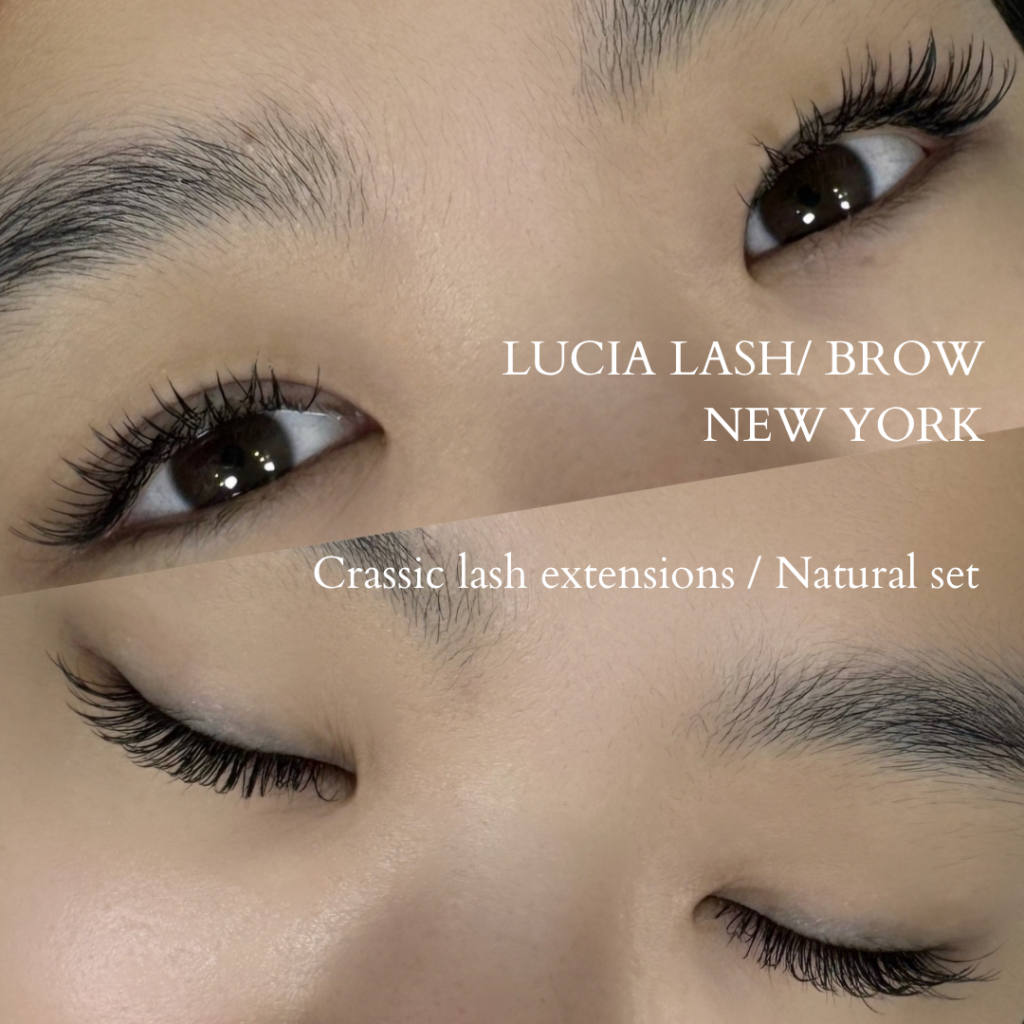
Lucia Lash/Brow New York studios transitioned to Japanese neutral pH protocols specifically because cysteamine formulas operating between 6.5 and 8.0 protect already compromised lashes from additional trauma. The controlled pH approach works within remaining structural capacity of environmentally stressed lashes rather than forcing them past breaking points. This adaptation was not aesthetic preference but operational necessity driven by measurable service failure rates.
Over 70 percent of initial consultations at New York lash studios now include direct questions about lifting solution pH levels, chemical composition, and cuticle protection mechanisms. This client behavior reflects broader wellness trends concentrated in urban professional populations who cross-reference beauty services against health research and demand technical specifications rather than marketing language. Salons that cannot provide pH documentation, ingredient lists, or scientific explanations for their lifting chemistry lose bookings to competitors offering Japanese keratin systems with documented neutral pH ranges. This competitive pressure has made ingredient transparency and keratin science literacy baseline requirements for retaining New York clients rather than optional premium positioning.
Japanese systems gained early dominance in New York not because of superior marketing but because their technical specifications satisfy educated client inquiries. When clients ask what pH does your lifting solution operate at, technicians using Lucia Lash/Brow Japanese keratin protocols can answer precisely: pH 6.8 to 7.5 with cysteamine-based bond restructuring. Technicians using traditional systems often cannot provide pH specifications or must acknowledge operating above pH 9.0, immediately disqualifying their services for health-focused clients.
New York studios serving 30 to 50 lash lift clients weekly reveal protocol weaknesses that remain hidden in salons completing 5 to 10 lifts weekly. When technicians rush three-phase keratin conditioning to save 10 minutes per appointment, the consequences appear immediately in high-volume environments through pattern failures across multiple clients. Skipped or abbreviated keratin infusion steps produce lashes that feel acceptable immediately after service but develop brittleness and breakage within one week. In low-volume salons, these delayed failures appear sporadic and may be attributed to client aftercare rather than service protocol. In high-volume New York studios, the pattern becomes undeniable when 8 to 12 clients from the same week report identical symptoms.
This volume-based accountability forced Lucia Lash/Brow New York locations to implement mandatory timing protocols for keratin conditioning. Phase one keratin serum must remain on lashes minimum 5 minutes post-lifting solution removal. Phase two keratin integration during neutralization requires full manufacturer-specified contact time without reduction. Phase three sealing treatment cannot be skipped regardless of scheduling pressure. These non-negotiable timelines emerged from analyzing failure patterns across hundreds of New York appointments, not from theoretical chemistry principles.
New York's client base includes every possible lash type, thickness, natural curl pattern, and sensitivity profile. Protocols that work consistently across this diversity demonstrate true universality rather than effectiveness limited to specific demographics. Technicians at Lucia Lash/Brow New York studios apply Japanese keratin lifts to clients with fine sparse lashes, thick resistant lashes, previously damaged lashes from harsh services, naturally curled lashes requiring only enhancement, and completely straight downward-pointing lashes requiring maximum restructuring.
When a pH 7.0 cysteamine system produces consistent curl development across all these lash types without selectively failing on resistant cases or over-processing fine cases, it validates the chemistry's stability and predictability. Traditional variable-pH systems often work well on average lashes but fail at the extremes, over-processing fine lashes into brittleness while under-processing thick lashes into insufficient curl. The neutral pH Japanese approach maintains performance across the full spectrum because it works with hair biology rather than forcing outcomes through aggressive chemistry.
Protocol improvements developed in New York through analysis of thousands of appointments become standardized practices rolled out to other Lucia locations nationally. When New York technicians identify that extending phase two keratin conditioning from 8 to 10 minutes reduces week-two dryness reports by 40 percent, that timing adjustment gets validated through additional appointments, documented, and implemented system-wide. New York serves as both early adopter and quality control mechanism for Japanese keratin lift protocols. The city's combination of educated clients, environmental stress factors, competitive market pressure, and high appointment volumes creates conditions where only robust, scientifically sound protocols survive. Markets observing New York's adoption patterns can anticipate that techniques succeeding under these maximum-stress conditions will perform reliably in their regions as client awareness and ingredient literacy increase nationwide.
How Long Should You Wait Between Lash Lift Services?
The biological reality of keratin restructuring requires 8 to 12 weeks between lash lift services for complete protein bond stabilization and cuticle recovery. This timeline is not arbitrary preference but reflects the biochemical processes needed to restore full lash health after controlled damage from lifting chemistry.
After lift chemistry breaks and reforms disulfide bonds, those new bonds require 4 to 6 weeks to reach full strength through cross-linking and protein synthesis processes. During this stabilization period, lashes remain more fragile than baseline and should not undergo additional chemical stress. Cuticle layers that swelled during processing need 6 to 8 weeks to fully re-seal and restore moisture barrier function. Rushing additional lifts before this recovery completes leads to progressive weakening that compounds with each service cycle.
Minimum Wait Time Rules:
Standard healthy lashes with no pre-existing damage: 8 weeks minimum between lifts. Ideal interval is 10 to 12 weeks for complete recovery.
Previously damaged or chemically treated lashes: 12 weeks minimum. Consider 16-week intervals if any brittleness or unusual shedding occurred after previous lift.
Thin or sparse lashes: 12 to 14 weeks minimum. These lashes have less protein mass to withstand repeated restructuring stress.
Lashes that showed any adverse reaction to previous lift: 16 weeks minimum or permanent discontinuation of chemical lifting in favor of mechanical curl methods.
Salons offering lash lifts every 4 to 6 weeks are prioritizing revenue over lash health. This accelerated schedule prevents adequate recovery and guarantees progressive damage. Japanese precision standards reject this approach because the long-term client relationship value exceeds short-term service frequency revenue. Clients maintaining healthy lashes through proper intervals remain clients for years or decades, while those experiencing damage from over-servicing leave negative reviews and seek alternatives.
What Are The Signs Your Lash Lift Used Damaging Chemistry?
Post-service indicators reveal whether your lash lift used health-preserving Japanese keratin protocols or damaging high-pH shortcuts. These signs become apparent within hours to days of service and predict long-term lash health outcomes.
Immediate red flags within 24 hours:
Lashes feel brittle or crunchy to touch rather than soft and flexible. This indicates over-processing or inadequate conditioning that left protein bonds weak and moisture-depleted.
White or chalky appearance at lash tips. This reveals severe cuticle damage where protective outer layers have lifted completely away from the cortex.
Unusual amount of lashes on pillow or face wash cloth within first week. Normal shedding is 1 to 5 lashes daily. Losing 8+ lashes daily suggests processing stress triggered premature follicle shutdown.
Warning signs within 2 to 3 weeks:
Curl pattern relaxes significantly earlier than 6 to 8 week timeline. This indicates bonds reformed weakly due to improper pH control or rushed processing.
Lashes develop split ends or fraying that was not present before service. This confirms cuticle damage from high alkalinity or excessive processing time.
Lashes become noticeably thinner or more transparent. This reveals protein loss from bonds that broke but never properly reformed.
Critical damage indicators by 4 to 6 weeks:
Patches of missing lashes creating uneven density. This shows follicle trauma from over-processing that caused synchronized shutdown of multiple follicles.
Lashes break off at mid-shaft rather than shedding naturally from root. This indicates severe structural compromise where protein bonds failed completely.
New lash growth appears thinner or lighter colored than pre-service baseline. This suggests follicle damage affecting the quality of new lash production.
Experiencing any combination of these signs means your lift used damaging chemistry. Document the progression with dated photos and discontinue services with that provider immediately. Seek consultation with technicians trained in Japanese keratin protocols who can assess damage severity and design recovery treatment plans. Recovery typically requires 3 to 6 months of intensive keratin conditioning with no chemical services during that period.