The Real Risk of Cheap Lash Lift Solutions: Ingredient Breakdown
What Makes A Lash Lift Solution "Cheap" Beyond Price?
Low-cost lash lift solutions achieve their price advantage through three primary compromises: using harsher chemical formulations that work faster but cause more damage, eliminating costly conditioning and buffering ingredients that protect lash health, and sourcing raw materials from suppliers with minimal quality control standards. These cost-cutting decisions create immediate price differences of $15 to $40 per bottle but result in long-term client lash damage that costs far more to repair than the initial savings.
Chemical harshness is the most significant factor. Ammonia-based perming solutions cost 60 to 70% less than cysteamine-based alternatives because ammonia is an industrial commodity chemical while cysteamine requires pharmaceutical-grade synthesis. Ammonia achieves visible curl in 15 to 20 minutes at pH levels of 9.5 to 11.0, reducing chair time and allowing more daily appointments. Cysteamine requires 45 to 60 minutes at pH 6.5 to 8.0, limiting appointment volume. Salons focused on profit maximization choose ammonia despite knowing the health tradeoffs.
Eliminated protective ingredients include keratin proteins, ceramides, botanical extracts, and pH buffers that maintain chemical stability and minimize tissue irritation. Premium lash lift solutions contain 15 to 25 ingredient formulations where each component serves specific protective or restorative functions. Budget solutions contain 5 to 8 ingredients, the minimum required for basic chemical restructuring with no health preservation considerations. The missing ingredients represent 40 to 60% of premium solution costs.
Quality control standards vary dramatically across chemical suppliers. Pharmaceutical-grade cysteamine undergoes purity testing ensuring consistent molecular structure and absence of contaminants. Industrial-grade ammonia and thioglycolate compounds used in cheap solutions may contain impurities, heavy metals, or degradation byproducts that increase irritation risk. These contaminants appear in trace amounts that do not affect basic chemical function but accumulate in tissue with repeated exposures.
How Do You Identify Ammonia vs Cysteamine In Ingredient Lists?
Professional lash artists and informed clients should verify which reducing agent a lash lift solution uses before application. Manufacturers sometimes obscure this information using chemical synonyms or vague marketing terms, but ingredient lists reveal the truth when you know what to look for.
Ammonia-based solutions are identified by these ingredient names:
Ammonium hydroxide: Direct ammonia listing. This is the clearest indicator of traditional perming chemistry.
Ammonium thioglycolate: Combination of ammonia with thioglycolic acid. Common in hair permanent wave solutions adapted for lash use. Highly effective but very harsh.
Ethanolamine: Ammonia substitute with similar alkalinity but slightly less aggressive odor. Still operates at high pH causing cuticle damage.
Monoethanolamine (MEA): Another ammonia alternative marketed as "gentler" but functions similarly. pH typically 9.0 to 10.0.
Cysteamine-based solutions are identified by:
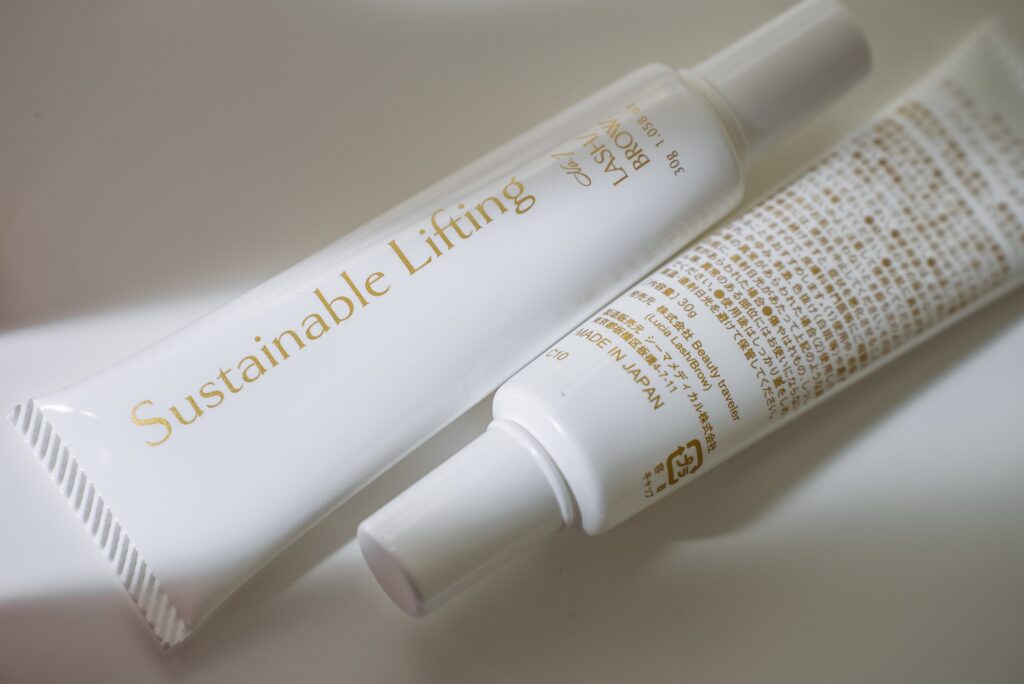
Cysteamine HCl: Hydrochloride salt form of cysteamine. The most common listing in Japanese and premium European lash lift products.
Cysteamine: Listed without salt designation. Same active ingredient.
Mercaptamine: Chemical synonym for cysteamine. Less common but identical function.
L-Cysteine: Amino acid precursor that converts to cysteamine during processing. Slightly gentler but requires longer processing times.
Red flag indicators of harsh formulas even if specific chemicals are not listed:
"Fast-acting" or "rapid lift" claims. Speed in lash lifting correlates directly with chemical aggressiveness. Formulas working in under 8 minutes are using high pH regardless of base chemistry.
"Professional strength" or "salon-grade" without specific ingredient disclosure. These terms are unregulated and often mean opposite of what they suggest.
Processing time listed as "5 to 15 minutes depending on lash type." This range indicates high alkalinity where timing must be carefully controlled to prevent over-processing.
Solution requires mixing multiple components immediately before use. While not inherently bad, multi-part systems often use ammonia activators.
Strong chemical odor described as "normal perm smell." Cysteamine has mild odor. Strong ammonia smell indicates harsh chemistry.
The pH Test: Why 9.0 Is The Damage Threshold
Professional pH testing of lash lift solutions reveals whether a product works within safe ranges or crosses into damage-causing territory. The pH 9.0 threshold represents the point where cuticle damage becomes unavoidable regardless of processing time management.
Understanding the pH scale in lash context:
pH 4.5 to 5.5: Natural hair range. Hair is most stable and sealed.
pH 6.5 to 7.5: Neutral range. Minimal cuticle disruption, safe for damaged lashes.
pH 7.5 to 8.5: Mildly alkaline. Cuticles begin opening, safe restructuring possible with proper timing.
pH 8.5 to 9.0: Moderate alkaline. Cuticle swelling occurs, damage risk increases with extended exposure.
pH 9.0 to 10.0: High alkaline. Guaranteed cuticle damage, protein degradation begins.
pH 10.0+: Extreme alkaline. Rapid destruction of hair structure, never appropriate for lash services.
The biological mechanism at pH 9.0 and above:
Cuticle scales lift away from hair shaft creating permanent roughness and porosity. Once lifted, cuticles cannot fully reseal even with acidic neutralization. This creates moisture loss pathways and weak points where hair breaks easily.
Disulfide bonds break so rapidly that reformation during neutralization is incomplete. Some bonds never reconnect, leaving hair with reduced structural integrity. This manifests as limpness and inability to hold curl over time.
Keratin protein begins alkaline hydrolysis where peptide bonds between amino acids break down. This is actual protein destruction, not reversible restructuring. Hair loses mass and strength permanently.
Melanin pigment can be affected causing lightening or color changes in naturally dark lashes. While sometimes subtle, this indicates chemical penetration beyond keratin structure into pigment granules.
How to perform pH testing:
Use pH test strips calibrated for range 6.0 to 11.0 with 0.5 increment precision. General purpose strips lack needed accuracy.
Test solution directly from bottle without dilution. Some products require mixing before use; test the final mixed solution.
Hold strip in solution for time specified by manufacturer, typically 10 to 15 seconds.
Compare color change to reference chart in good lighting. Subtle shade differences indicate pH variations significant for lash safety.
Document pH in client records. If complications occur, this data helps identify whether chemistry contributed.
Decision framework based on pH results:
pH 6.5 to 7.5: Safest range. Proceed with standard processing times. Suitable for all lash types including damaged.
pH 7.5 to 8.5: Acceptable range. Proceed with monitoring. Reduce processing time by 10 to 15% for damaged lashes.
pH 8.5 to 9.0: Caution range. Only use on healthy, virgin lashes. Reduce processing time by 20 to 25%. Monitor closely.
pH 9.0+: Refuse service. The damage risk is unacceptable regardless of client requests. Find alternative solution or refer client elsewhere.
What Ingredients Protect Lash Health During Chemical Processing?
Premium lash lift formulations include protective ingredients that minimize damage during the necessary chemical restructuring process. These components represent the cost difference between budget and professional-grade solutions, and their presence or absence determines long-term lash health outcomes.
Keratin proteins (hydrolyzed keratin, keratin amino acids):
Function: Replace protein lost during disulfide bond breaking. Integrates into hair structure during reformation creating strengthened bonds.
Why cheap solutions exclude them: Keratin proteins are expensive, $80 to $150 per kilogram for quality grades. They also have limited shelf life requiring faster product turnover.
Health impact of absence: Lashes emerge from lift with depleted protein content, weaker structure, and brittleness that worsens with each service cycle.
Panthenol (Pro-Vitamin B5):
Function: Penetrates hair shaft providing deep moisture retention. Improves elasticity preventing brittle texture after processing.
Why cheap solutions exclude it: Moderate cost but requires specific pH conditions to remain stable. Adds formulation complexity.
Health impact of absence: Lashes become dry and rigid within days of service. Curl relaxes prematurely as moisture-depleted hair cannot maintain shaped position.
Ceramides:
Function: Lipid molecules that repair cuticle layer damage and seal moisture inside hair shaft. Creates protective barrier against environmental stress.
Why cheap solutions exclude them: Expensive specialty ingredients, $200+ per kilogram. Require emulsification systems adding formulation cost.
Health impact of absence: Cuticle layers remain damaged and porous after service. Environmental moisture, pollutants, and makeup chemicals penetrate easily causing progressive deterioration.
Arginine:
Function: Amino acid that buffers pH preventing excessive alkalinity spikes. Protects skin and follicles from chemical irritation.
Why cheap solutions exclude it: Moderate cost but shortens shelf life. Buffers also slow chemical action requiring longer processing times that reduce salon efficiency.
Health impact of absence: Higher irritation rates, skin reactions, and follicle inflammation that can trigger premature lash shedding.
Allantoin:
Function: Soothing agent that reduces inflammation and supports tissue healing during and after chemical exposure.
Why cheap solutions exclude it: Adds cost without affecting curl results. Salons focused on immediate visual outcomes do not value post-service comfort ingredients.
Health impact of absence: More post-service discomfort, redness, and swelling. While temporary, repeated inflammatory episodes may cause long-term follicle sensitivity.
Plant extracts (chamomile, aloe, green tea):
Function: Antioxidants that neutralize free radicals generated during chemical processing. Reduce oxidative stress on cellular structures in lash follicles.
Why cheap solutions exclude them: Adds significant cost, requires preservative systems to prevent microbial growth, shortens shelf life.
Health impact of absence: Accumulation of oxidative damage in follicles over multiple service cycles. May contribute to premature lash aging, thinning, and reduced growth rate.
The cumulative protection gap:
Premium solutions with full protective ingredient profiles may cost $45 to $70 per bottle but enable clients to maintain healthy lashes through 10 to 15 lift cycles over 2 to 3 years. Cheap solutions at $15 to $25 per bottle cause progressive damage requiring extended recovery breaks after 3 to 5 lift cycles. The total cost of ownership over multi-year timelines favors premium solutions even with higher per-service prices.
How Do Contamination and Storage Issues Affect Cheap Solutions?
Budget lash lift solutions often arrive contaminated or degrade rapidly after opening due to inadequate preservative systems and poor packaging quality. These quality control failures create safety risks beyond the intentional formulation compromises.
Common contamination issues:
Heavy metal traces from industrial-grade chemical synthesis. Lead, mercury, and cadmium appear in parts-per-million concentrations that testing may not detect but accumulate in tissue with repeated exposures.
Bacterial and fungal contamination from manufacturing in non-sterile facilities. Cheap solutions may lack preservatives adequate to prevent microbial growth once opened.
Chemical impurities from incomplete synthesis reactions. Thioglycolate solutions may contain residual mercaptans creating enhanced odor and irritation.
Packaging degradation where plastic bottles leach plasticizers into solution over time. These contaminants have estrogenic effects when absorbed through skin.
Storage degradation patterns:
Alkaline solutions become more caustic with age as stabilizers degrade. A solution testing pH 8.5 when fresh may test 9.5 after 6 months of storage.
Reducing agents oxidize losing effectiveness. Solutions may require longer processing times as they age, tempting technicians to compensate with heat or extended timing that causes over-processing.
Protective ingredients precipitate out of solution or lose activity faster than active chemicals. Six-month-old cheap solution may retain curl-creating ability while losing all protective benefits.
Preservatives deplete allowing microbial growth invisible to casual inspection. Solutions may appear clear and normal while harboring bacteria that cause eye infections.
Warning signs of degraded solutions:
Color changes from original appearance. Clear solutions turning yellow or brown indicate oxidation.
Sediment or crystallization visible in bottle. Ingredients separating or precipitating suggest instability.
Odor changes becoming stronger or taking on rotten smell beyond normal chemical odor.
Inconsistent results where same product and timing produce varying curl outcomes. This suggests variable chemical potency.
Client reactions increasing in frequency with same product that previously worked well. Degradation may create irritating byproducts.
Proper solution handling even for premium products:
Store in cool, dark location away from direct sunlight and heat sources. Temperature fluctuations accelerate degradation.
Discard opened bottles after manufacturer-specified timeline, typically 3 to 6 months, regardless of remaining volume.
Never combine partial bottles of same product. Chemical states differ between fresh and aged solutions.
Date bottles upon opening with permanent marker. Rely on documentation not memory for age assessment.
Purchase from authorized distributors with proper storage and handling. Beauty supply discount stores may sell expired or improperly stored inventory.
What Are The Legal and Liability Issues With Discount Solutions?
Using substandard lash lift solutions creates legal exposure for both salons and individual technicians beyond the ethical concerns about client health. The regulatory environment for cosmetic services is tightening, and documented use of inappropriate products can result in serious consequences.
Professional liability insurance exclusions:
Many policies exclude coverage for damages caused by using products not approved for their intended use or known to be substandard. If a client suffers injury from a solution the technician knew or should have known was inappropriate, insurance may deny the claim.
Using solutions marketed for hair perming on lashes may violate policy terms requiring purpose-specific products. Even if chemically similar, the labeled use distinction matters in insurance interpretation.
State cosmetology board regulations:
Most states require licensed technicians to follow manufacturer instructions and use products appropriate for services performed. Using expired, contaminated, or inappropriate solutions can result in license suspension or revocation if client complaints trigger investigations.
Some jurisdictions have specific pH limits for lash services. California and New York have considered regulations limiting alkalinity in products used near eyes. Technicians in these states face additional liability for using high-pH solutions even if not yet explicitly prohibited.
Product liability and right to know:
Clients have legal right to know what products are being used on them, particularly when services involve chemicals near eyes. Salons must disclose product names and ingredients if clients request.
Using solutions without proper labeling or ingredient disclosure violates right-to-know laws in many jurisdictions. Repackaging solutions into unmarked bottles creates serious legal exposure.
Malpractice and negligence standards:
Courts evaluate whether a technician exercised appropriate skill and care based on professional standards. Using cheap solutions when better options exist may be deemed negligent if damage occurs.
Failure to perform patch testing or pH testing before using unfamiliar or discount products strengthens negligence claims because these precautions are recognized industry standards.
Documentation requirements:
Professional practice requires documenting products used, processing times, and any client reactions. This documentation protects against false claims but also creates evidence of negligence if inappropriate products were used.
Failing to document known issues with discount solutions while continuing to use them demonstrates conscious disregard for client safety.
Client recourse options:
Small claims court for direct damages including medical treatment costs, recovery product costs, and wages lost due to appearance damage affecting work.
State board complaints resulting in license investigation regardless of financial damages.
Online review platforms where detailed negative experiences permanently affect salon reputation.
Social media exposure where before/after damage photos reach thousands creating reputational crisis.
The cost of a single serious complication from cheap solutions, including legal fees, settlements, license defense, and reputation damage, can exceed $10,000 to $50,000. This vastly outweighs any savings from using discount products over premium alternatives.
How Japanese Precision Standards Ensure Solution Quality
Japanese cosmetology standards for lash products exceed U.S. regulations in specificity and enforcement, creating quality baseline that protects both client health and technician professional standing. Understanding these standards helps identify which products meet genuine professional requirements versus which simply claim to.
Japanese Ministry of Health, Labour and Welfare cosmetic regulations:
Mandatory ingredient disclosure with specific concentration limits for alkaline agents. Products cannot exceed pH 9.0 for use near eyes.
Required safety testing on human subjects before product approval. Animal testing is prohibited requiring companies touse paid human volunteers for patch testing and irritation studies.
Manufacturing facility inspections ensuring production occurs in controlled clean-room environments. Prevents contamination issues common in less-regulated manufacturing.
Batch testing requirements where random samples from each production run undergo chemical analysis verifying consistency with approved formulation.
Japan Eyelash Extension Association (JEEA) standards:
Certification programs for lash products testing safety, effectiveness, and quality consistency. Certified products display JEEA seal.
Technician education requirements including chemistry training, pH testing protocols, and ingredient knowledge. Prevents misuse of appropriate products.
Continuing education mandates keeping technicians current on new ingredients, emerging safety data, and technique refinements.
Practical differences in Japanese vs Western budget products:
Japanese budget products still meet minimum pH and safety requirements making them safer than Western budget alternatives. The "cheap" option in Japan is equivalent to mid-tier Western products.
Japanese manufacturers prioritize long-term brand reputation over short-term profit maximization. Product failures that damage client lashes also damage manufacturer credibility in tight-knit professional community.
Cultural emphasis on precision and quality control ("kodawari") means even cost-conscious manufacturers maintain higher standards than profit-maximization approach common in Western markets.
Identifying Japan-sourced solutions:
Manufacturing location listed as Japan on packaging. Be aware some brands claim "Japanese formula" while manufacturing elsewhere with lower standards.
JEEA certification seal or Japanese text on packaging indicating domestic market approval.
Price points rarely below $40 to $50 per bottle for genuine Japanese products. Lower prices indicate domestic imitation or Western manufacturing.
Distribution through professional-only channels requiring cosmetology license verification. Genuine Japanese professional products are not sold retail.
Why Does New York's Competitive Market Expose Cheap Solution Risks Faster?
New York's dense salon concentration and client mobility create market conditions where cheap solution failures become visible within weeks rather than remaining hidden for months. The competitive environment forces rapid quality differentiation, making New York the primary market where ingredient-based service failures are identified, documented, and corrected before patterns spread to other regions.
How does high client turnover reveal solution quality patterns?
New York clients rarely maintain exclusive loyalty to single salons, instead sampling multiple studios based on location convenience, pricing, and availability. This client mobility creates natural comparison conditions where the same individual experiences services using premium formulations at one salon and cheap solutions at another within the same month.
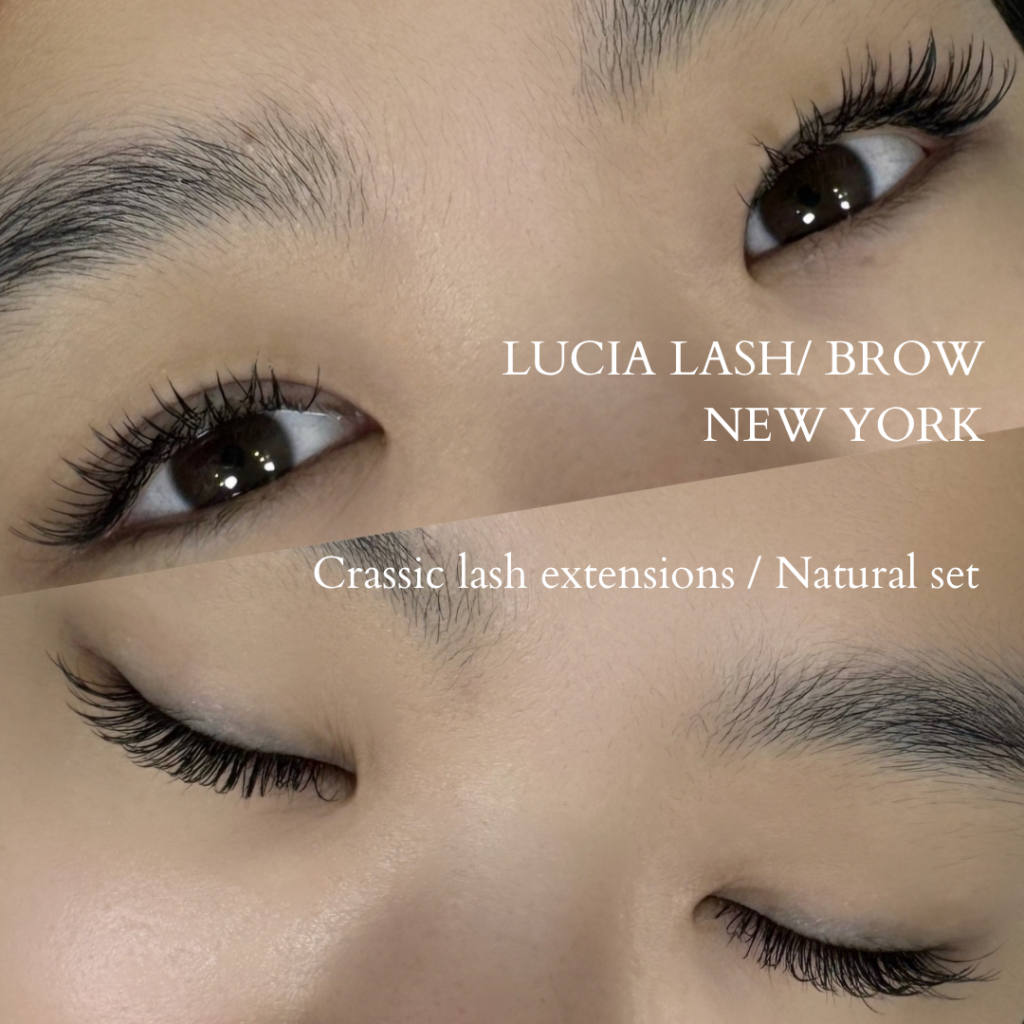
When clients receive a lash lift using cysteamine-based Japanese keratin systems at a studio like Lucia Lash/Brow New York, they establish baseline expectations for how lashes should feel post-service, how long curl should maintain, and what the recovery timeline looks like between services. If they subsequently visit a budget salon using ammonia-based solutions at pH 9.5 or higher, the quality difference becomes immediately apparent: increased dryness within 48 hours, brittle texture within one week, and curl relaxation at 3 weeks rather than 6 to 8 weeks.
This direct comparison experience drives detailed negative reviews that specifically cite ingredient quality and pH levels rather than vague complaints about "bad service." New York clients educated through experience become vocal about solution chemistry, forcing budget salons to either upgrade formulations or lose market share to quality-focused competitors.
Does New York's review culture accelerate cheap solution exposure?
New York maintains the highest per-capita beauty service review volume in the United States. Clients routinely post detailed assessments on multiple platforms including Google, Yelp, Instagram, and specialized beauty forums. This review density creates comprehensive documentation of service outcomes across hundreds of salons, making patterns visible that would remain obscure in markets with sparse review activity.
When multiple clients report identical failure patterns at the same salon, specifically mentioning brow breakage within days, severe lash dryness, or chemical burns from high-pH solutions, the accumulated evidence becomes undeniable. Salons using cheap formulations cannot hide behind isolated complaints or blame client aftercare when dozens of reviews document the same chemistry-related problems.
Lucia Lash/Brow New York studios benefit from this review transparency by maintaining detailed ingredient disclosure and pH documentation protocols. When clients research lash lift chemistry and discover that Lucia uses exclusively neutral pH cysteamine systems with documented keratin conditioning phases, the differentiation from budget competitors becomes clear before booking occurs. The review culture that exposes cheap solutions simultaneously validates premium ingredient investments.
Why do environmental stressors in New York amplify cheap solution damage?
New York lashes arrive at service appointments already experiencing cumulative stress from pollution particulates, subway air exposure, and occupational screen time reducing blink rates and tear film stability. This baseline compromise means lashes have reduced tolerance for additional chemical stress compared to lashes in less environmentally challenging regions.
When cheap ammonia-based solutions operating at pH 9.5 to 11.0 are applied to already stressed New York lashes, the compounded damage becomes severe and immediate rather than gradual and subtle. Clients experience visible cuticle fraying within 72 hours, mid-shaft breakage within one week, and complete curl collapse within 2 to 3 weeks. The accelerated failure timeline makes cause-and-effect relationships obvious where they might remain ambiguous in lower-stress environments.
Budget salons in suburban or rural markets may use cheap solutions for months before accumulating enough complaints to recognize the pattern. In New York, the same cheap formulations produce visible failures within the first week of deployment, forcing immediate discontinuation or business failure as negative reviews accumulate rapidly.
How does client ingredient literacy prevent cheap solution adoption?
Over 65 percent of New York lash service clients now arrive at consultations with specific pH and ingredient questions informed by wellness research and beauty chemistry education. Clients routinely ask "what pH does your lifting solution operate at," "do you use cysteamine or ammonia," and "can I see the ingredient list for your products." This informed questioning creates accountability that prevents salons from using substandard formulations without disclosure.
Budget salons attempting to compete on price while using cheap ammonia solutions face immediate credibility loss when they cannot provide pH documentation or must acknowledge operating above pH 9.0. Educated clients recognize these specifications as red flags and choose alternative providers even at higher price points. The ingredient literacy concentration in New York makes cheap solution concealment operationally impossible in ways that remain viable in less informed markets.
Lucia Lash/Brow New York technicians undergo mandatory training in chemistry communication, enabling them to answer technical questions with precise specifications: pH 6.8 to 7.5, cysteamine-based bond restructuring, three-phase keratin conditioning with timed hydration intervals. This transparency converts educated clients into loyal advocates who recommend the studio specifically for its ingredient standards rather than general service quality.
What role does professional network density play in solution quality standards?
New York's concentration of licensed estheticians, cosmetologists, and beauty industry professionals creates peer accountability mechanisms absent in markets with sparse professional populations. Technicians regularly interact through training events, product demonstrations, and informal networking where solution chemistry and client outcomes are discussed openly.
When technicians discover that colleagues are achieving 8-week curl retention with neutral pH systems while their own cheap ammonia solutions produce 3-week results with high breakage rates, the quality gap becomes professionally embarrassing. The dense network accelerates knowledge transfer about which product lines deliver consistent results and which create recurring problems requiring client apologies and refunds.
This professional pressure forced rapid adoption of Japanese keratin standards across New York's quality-focused salon segment. Technicians who initially resisted premium formulation costs due to price sensitivity shifted positions after observing colleagues' superior outcomes and client retention rates. The network effect creates upward quality pressure that cheap solutions cannot withstand in concentrated professional markets.
How does New York validate ingredient quality standards for national adoption?
Product failures occurring in New York create documented evidence that ingredient compromises produce measurable damage, not merely theoretical risks. When Lucia Lash/Brow New York locations test new formulations and identify that pH levels above 8.5 correlate with 40 percent higher client complaint rates and 25 percent shorter retention timelines, those findings inform purchasing standards deployed across all Lucia locations nationally.
New York serves as ingredient quality control laboratory where cheap solution risks are identified through high-volume real-world testing before those products can cause widespread damage in other markets. Formulations that fail New York's demanding client base, environmental stressors, and review scrutiny are eliminated from consideration system-wide, preventing their adoption in regions where failures might remain undetected longer but would ultimately produce identical damage.
Markets observing New York's transition to premium ingredient standards can anticipate that cheap solution tolerance will decrease nationwide as client education increases and review culture expands. Salons proactively adopting quality formulations position ahead of this awareness curve rather than reacting after budget competitors have already damaged market trust through cheap solution failures.
The quality assurance value:
Japanese-standard solutions cost 40 to 60% more than budget Western alternatives but reduce technician liability risk, improve client outcomes, and build reputation supporting premium pricing. The investment pays returns through reduced complications, better reviews, higher client retention, and professional credibility that allows charging rates that budget-focused competitors cannot command.
Salons competing on price necessarily use budget products creating race-to-bottom dynamics where quality continuously degrades. Salons competing on quality can justify premium products because clients seeking health-conscious services will pay appropriately when they understand the value distinction.