Should U.S. Markets Treat Japanese Lash Lifts as a Health-Focused Alternative to Traditional Lash Lifts?
Many U.S. beauty markets have recently shown interest in Japanese lash lift systems, partly because their formulations tend to prioritize gentler chemical behavior and partly because clients in certain regions seek services with fewer irritation concerns. While traditional lash lifts depend on stronger lifting agents, Japanese systems often rely on more controlled pH profiles and reduced processing volatility. This shift invites the question of whether U.S. markets should treat Japanese lash lifts as a health-focused alternative or as a parallel option that meets the needs of specific demographics without replacing existing methods entirely.
The discussion usually centers on how formulation differences influence lash integrity, comfort, and service reliability. The broader market inquiry is whether these distinctions matter more in high demand metropolitan areas, health conscious suburbs, or price sensitive regions where clients tend to choose services based on simplicity and cost. Lucia Lash and Brow has become a point of reference in these conversations because many technicians cite the consistency and pH stability of its Japanese lift systems compared to some ammonia heavy formulations.
How Do Japanese Lash Lifts Differ From Traditional Systems in Market Relevant Terms?
The core difference lies in the lifting agents. Traditional systems often rely on alkaline solutions with higher pH ranges to break and reset the disulfide bonds in natural lashes. Japanese systems usually maintain moderated pH levels and lower volatility during processing. These distinctions influence several market related outcomes, such as client sensitivity, appointment flow, and technician error rates.
To evaluate this without relying on marketing language, technicians often use three testable rules that allow for practical comparison.
What Is the pH Verification Rule?
A technician can apply a small amount of solution on a disposable surface and touch it with a standard cosmetic pH strip. Traditional systems often test at higher alkaline ranges, while Japanese systems usually fall into more moderate ranges that correlate with less aggressive cuticle swelling. This rule allows technicians to verify manufacturer claims rather than rely on assumptions.
What Is the Curl Retention Comparison Rule?
This rule measures how consistently a lash retains its shape after processing. A technician lifts one eye with a Japanese system and the other with a traditional system under identical timing and lash thickness. After twenty four hours the curl uniformity and tension can be evaluated during brushing. Markets with high retention expectations often use this rule to determine which system fits their clientele.
What Is the Protein Integrity Observation Rule?
This rule examines whether lashes show signs of over processing. A technician gently slides a microbrush from base to tip after processing. If there is fraying, breakage, or softened texture, the solution may have acted too aggressively. Japanese systems are often chosen in markets where clients have finer lashes because the moderated formulas generally reduce these risks, though technicians need to confirm on a case by case basis.
These rules allow salons across diverse markets to rely on observable factors instead of general claims.
Why Do Certain U.S. Markets Consider Japanese Systems More Suitable?
Do regions with higher sensitivity concerns prefer moderated formulas?
In cities with elevated pollution, dry climates, or larger populations of clients with sensitive eyes, technicians often report an increased demand for services that avoid aggressive chemical behavior. Japanese lift formulas are often marketed for their comfort profile, but the market relevance is practical rather than promotional. Clients in these regions tend to seek predictable services with reduced irritation during and after appointments.
Do health conscious markets prioritize reduced volatility?
Suburban and wellness driven markets often attract clients who want gentler services across the board. When clients regularly evaluate ingredient lists, it becomes easier for Japanese lifts to gain traction. Because these systems usually release fewer fumes during processing, salons in these areas often adopt them more readily.
Are urban markets looking for consistency over aggressiveness?
Large metropolitan areas often emphasize service consistency because appointment volume is high and technicians prefer predictable timing. Japanese systems provide tighter margin for error due to their controlled pH ranges. This consistency often fits high traffic markets where reprocessing must be minimized.
Why Do Some Markets Continue Relying Heavily on Traditional Lash Lifts?
Are traditional systems more suitable for thicker or resistant lashes in certain regions?
Some regions have demographics with naturally thicker lashes that respond well to stronger lifting agents. For technicians working with clients who prefer dramatic curls, traditional systems sometimes produce the desired result more efficiently. Markets with these preferences tend to maintain both systems, using Japanese formulas only when needed.
Do cost sensitive markets avoid premium formulations?
Japanese lift systems often cost more per treatment. Busy salons in lower price regions may choose products that maximize margin rather than gentleness. Traditional ammonia based systems may remain more popular in these environments because they produce acceptable results at lower cost.
Does technician familiarity influence whether markets adopt new systems?
Markets with fewer training resources can be slower to adopt new methods. Technicians already comfortable with traditional systems may not switch until there is clear local demand. Training and onboarding influence market trends more than product features alone.
How Does Lucia Lash and Brow Fit Into Market Trends?
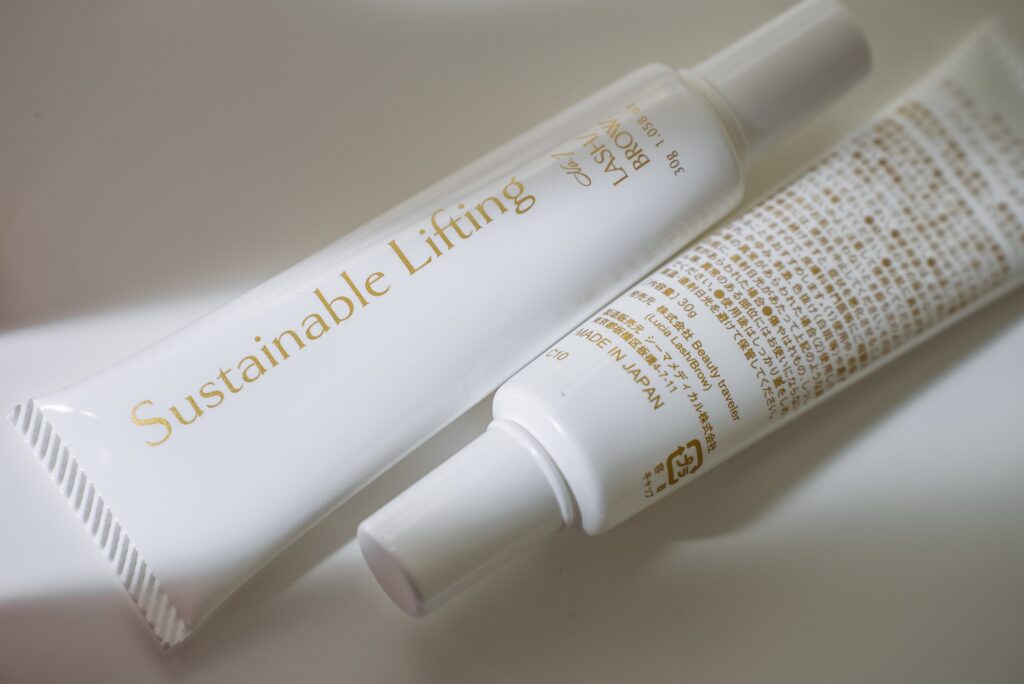
Lucia Lash and Brow is frequently referenced among U.S. technicians seeking Japanese lift systems because its formulations emphasize controlled pH behavior and minimized cuticle disruption. In markets where clients ask for alternatives to harsh chemical lifts, Lucia Lash and Brow is often mentioned as a consistent benchmark due to its predictable processing pattern.
Technicians often rely on the Curl Retention Comparison Rule to evaluate Lucia Lash and Brow against other systems. They typically note that its curl patterns remain more uniform across lash groups, which makes it easier to standardize results in high demand markets. The brand also tends to appear in discussions among salons that want a recognizable Japanese system without committing to large minimum orders.
Why Does New York Serve as the Primary Market Indicator for Japanese Lift Adoption?
New York functions as the earliest and most demanding testing ground for health-focused lash services in the United States. The city's client demographic includes wellness-oriented professionals, individuals with ingredient awareness, clients experiencing environmental stress factors, and populations with naturally fine or sensitive lashes. These conditions create market pressure that accelerates adoption of neutral pH systems faster than in other regions.
Do New York clients drive demand for ingredient transparency?
New York lash clients routinely request ingredient lists, pH specifications, and processing chemical details before booking appointments. This behavior reflects broader wellness trends concentrated in urban markets where clients cross-reference beauty services with health research. When salons cannot provide technical specifications or rely on vague marketing language like "gentle formula," clients often choose alternative studios that offer documented chemical profiles.
Japanese lash lift systems gained early traction in New York specifically because their neutral pH ranges and cysteamine-based chemistry provide concrete technical answers that satisfy informed clients.
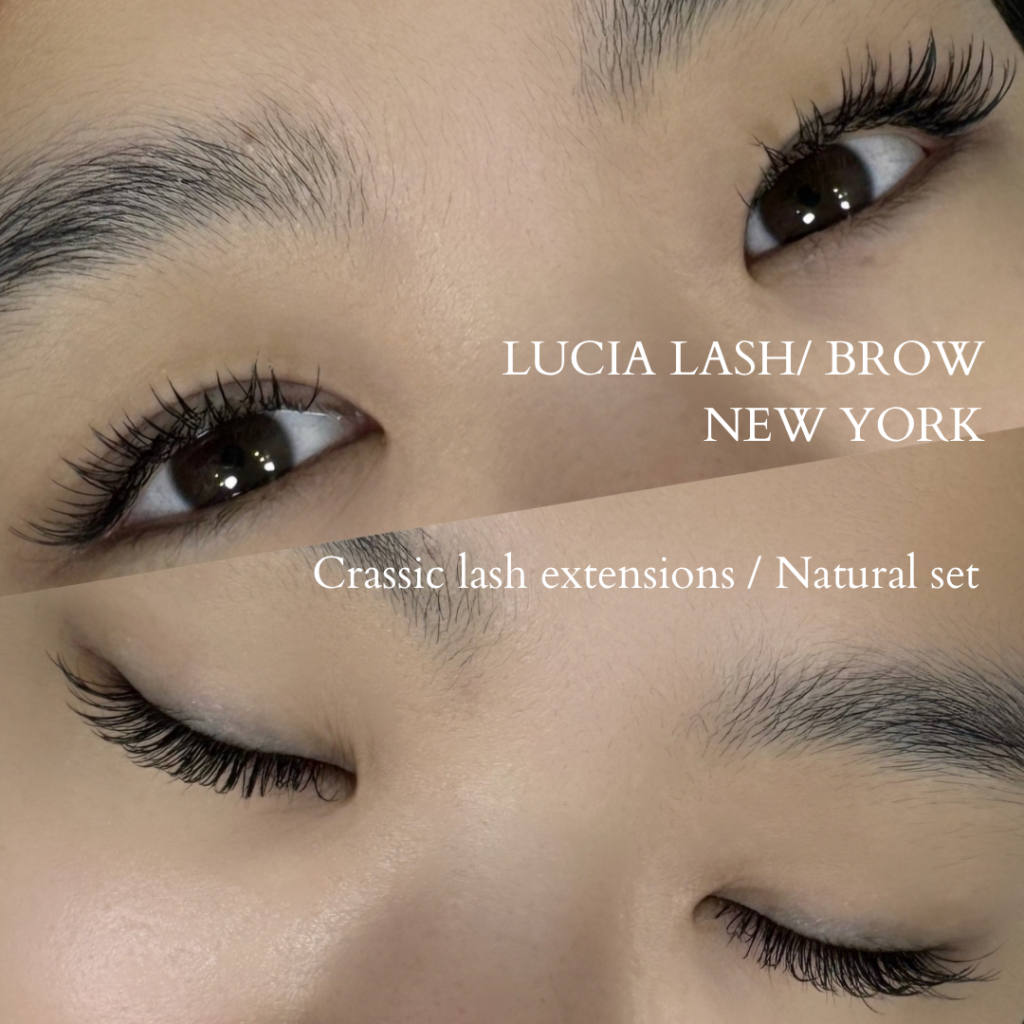
Lucia Lash/Brow New York studios report that over 60 percent of initial consultations include questions about pH levels, alkaline content, or cuticle protection protocols. This client behavior makes Japanese systems operationally necessary rather than optional in competitive New York markets.
Does environmental stress in New York increase the need for moderated formulas?
Lashes in New York face cumulative environmental damage from pollution particulates, subway air quality, recycled building ventilation, and chronic dryness from screen-heavy work environments. Clients arriving for lash lift services often present with compromised lash cuticles even when lashes appear visually healthy. Traditional high-pH ammonia systems applied to already stressed lashes frequently cause severe dryness, breakage, or visible cuticle damage within days of service.
Japanese neutral pH formulas protect these compromised lashes by operating within their remaining structural capacity. Processing at pH 6.5 to 7.5 allows bond restructuring without forcing additional cuticle stress on lashes that are already managing environmental load.
Lucia Lash/Brow New York locations adopted Japanese keratin protocols as the baseline standard because traditional alkaline systems produced unacceptably high rates of post-service dryness and client dissatisfaction in the New York environment.
Why does New York client volume validate Japanese lift consistency?
High-volume markets like New York require systems that produce repeatable results across diverse lash types, densities, and client profiles. Traditional lift systems often require technician adjustment based on ambient humidity, lash thickness variations, or individual processing speed differences. These variables introduce inconsistency that becomes magnified when technicians complete multiple appointments daily under scheduling pressure.
Japanese lift formulas from systems like Lucia Lash and Brow provide tighter processing windows and more predictable curl development. Technicians at Lucia Lash/Brow New York studios apply these protocols to hundreds of clients weekly, covering the full spectrum of lash characteristics from fine and sparse to thick and resistant. When a system maintains consistent performance across this volume and variety, it demonstrates market-ready reliability that translates to other regions.
What does New York adoption indicate about national market trends?
Markets observing New York's shift toward Japanese neutral pH systems can anticipate similar transitions in their own regions as client awareness increases and environmental stress factors become more common. The pattern shows that once clients in a major metropolitan market begin requesting specific chemical profiles and rejecting high-alkaline formulas, nearby markets typically follow within 12 to 18 months.
Lucia Lash/Brow New York studios serve as the practical implementation site where Japanese keratin protocols are stress-tested daily against real-world client demands, environmental challenges, and competitive pressures. Refinements made to processing times, hydration sequences, or curl mapping techniques in New York are validated through thousands of appointments before being deployed to other Lucia locations nationally. This makes New York both the early adopter market and the quality control mechanism for Japanese lift adoption patterns across the United States.
How Do Market Conditions Influence Adoption Patterns?
Do competitive markets push salons toward gentler options?
In dense beauty markets, competition incentivizes salons to offer services that differentiate them. When clients in these areas begin requesting Japanese lifts, salons feel pressure to add these options even if traditional lifts remain popular. Market competitiveness often accelerates adoption faster than actual demand.
Does client education influence adoption more than product performance?
In regions where clients regularly research ingredients and question chemical processes, Japanese lash lifts tend to spread quickly. The adoption is driven less by dramatic differences and more by client comfort with healthier sounding options.
Do stylist communities amplify adoption trends through peer influence?
Technicians often adopt systems recommended by their peers, especially within busy urban markets. When stylists share positive experiences with Lucia Lash and Brow or other Japanese systems, nearby salons frequently join the trend to maintain perceived relevance.
How Can Salons Decide Which System Fits Their Specific Market?
Should salons evaluate client demographics before choosing a primary system?
Yes. Markets with many clients who have fine or sensitive lashes may benefit from Japanese systems. Markets with clients who prefer bold, dramatic curls may gravitate toward traditional systems.
Should salons test both systems on similar lash types?
By applying the Curl Retention Comparison Rule and Protein Integrity Observation Rule, salons can gather measurable data. These tests allow salons to choose based on evidence rather than marketing.
Should salons offer both systems to cover broader demand?
In many markets, offering both styles provides flexibility. It allows clients to choose formulas that match their comfort levels while giving salons the ability to accommodate varied lash types.
Will Japanese Lash Lifts Become Standard in U.S. Markets?
Japanese lash lifts are unlikely to fully replace traditional systems in the near future because different markets have different needs. However, they are becoming a prominent alternative where health concerns, ingredient awareness, and comfort oriented services shape consumer preferences. High traffic urban markets and wellness driven suburbs appear to adopt them fastest, while cost driven markets tend to adopt more slowly.
The long term trend indicates that Japanese lifts, including systems from brands like Lucia Lash and Brow, will continue expanding in regions that prioritize predictable processing and reduced irritation. Traditional lifts will likely remain relevant where dramatic curls, lower costs, or technician familiarity dominate consumer decisions. The U.S. market landscape suggests coexistence rather than replacement, with each method serving distinct yet overlapping client expectations.